

What Boosting and Coaching Solve
CoD Boosting and coaching tackle the same core issue: you want better in-game results, but time, skill growth, or both are holding you back. Boosting shifts your account to a set goal fast—rank tiers, camo unlocks, win totals, event cards—so you see the reward on screen without pouring hours into repeat challenges. Coaching helps you build the habits that create those results yourself: cleaner aim paths, smarter rotations, tighter movement, and sharper calls with your squad. If your focus is a badge before the season reset, boosting delivers speed with little effort.
If your focus is steady improvement every match, coaching gives you repeatable methods you can use long term. Plenty of players blend the two: a one-time boost to land at a target, then a few coaching sessions to keep that ground through skill gain. In this article you get plain definitions, how each option usually runs from start to finish, and a simple way to match your own play style and schedule to the right pick. No scare talk, no seller hype—just clear steps and use cases. By the end of section three you will understand the base idea behind each route and be set to weigh them with a quick checklist later.
CoD Boosting: Definition and Flow
CoD Boosting means paying or trading value so someone helps your account leap ahead fast. The target can be a ranked division, a certain number of wins, weapon camos, or a fresh operator skin. A common flow is simple: you place an order, you state the exact goal, you share the info needed to carry out the task, and you wait while the booster finishes the grind. Some setups let you duo queue so you stay in the lobby while they do the heavy lift beside you.
Others handle the whole run while you are offline. Turnaround time depends on how large the jump is and how busy the queue is, but small boosts often finish in a day or two. People pick boosting because they have a packed schedule, dislike repeating the same camo challenge loop, or want to flex a badge in a friend group without burning a week of nights. The key idea: boosting gives instant progress on your profile. It does not build your personal mechanics or map sense. You get the reward now and skip the routine, which can be perfect if you value the end marker more than the path.
CoD Coaching: Definition and Flow
Call of Duty coaching is a paid lesson or set of lessons where a stronger player or proven teacher looks at how you play and shows you what to change. Sessions can be live games with voice chat, VOD reviews where you both watch clips, or drills focused on aim control, recoil patterns, or route planning. Before a session, you gather clips, note the guns and modes you use most, and write a few clear goals like “break hill setups faster” or “win more close-range duels.” During the call, the coach pauses and points to choices you made: push timing, head glitch usage, crosshair placement, reload habits, slide timing, and spacing from cover.
They explain what to try instead, then give you small routines to run in private matches or aim trainers after the call. You also track stats—K/D trend, win rate, objective time—to see progress week by week. Coaching demands more effort on your side, yet the payoff lasts. Your decisions sharpen, your confidence rises, and rank gains stick because they come from your own play. Over time you save grind hours because smart moves win fights faster than brute force farming ever could.
Side-by-Side Comparison: Boosting vs Coaching
You asked for a table, so here is a compact one that hits the points most players care about. Use it as a quick scan, then read the text right after for context.
| Factor | Call of Duty Boosting | Call of Duty Coaching |
|---|---|---|
| Main Outcome | Goal reached fast (rank/camo/wins) | Skill growth you can repeat any season |
| Time to Results | Hours to a couple of days | Noticeable in 1–2 sessions, solid in a few weeks |
| Your Effort | Low during the process | High during and after sessions |
| Control in Matches | Often low (someone else carries or plays) | Full (you play and make every call) |
| Long-Term Gain | Small to medium | High |
The grid shows two paths: one pays for speed, the other pays for learning. Speed means you skip grind and see the badge now. Learning means you keep gains even after patches or season resets. Effort and control move in opposite ways: the less you do in boosting, the less you decide; the more you do in coaching, the more you steer the match. Time frames matter too. If you need a goal by Friday, a boost fits. If you want steady rank climbs all year, lessons pay off. Think about which column matches your week, your energy, and your plan for the next title drop.
Who Boosting Fits Right Now
Boosting lines up with players who care most about the finished screen, not the steps that lead there. Maybe your work hours are heavy, the season timer is ticking down, and you do not want to grind camo tasks again. Maybe you just want to queue with a higher ranked friend group without spending ten nights climbing. In that case, paying for a clean jump feels like buying time. You still enjoy the game, but you do not enjoy the repeat loops tied to a skin or badge.
A small list sums it up: you have limited free hours, you value the cosmetic or rank more than the path, and you plan to move on after this goal is done. Each of those points nudges you to the boost column. After the jump, you can relax, join your squad in their bracket, and spend your remaining play time on modes you like instead of checklists you hate. Some players even treat a single boost as a reset button: get up to a floor, then keep it with normal play. If that sounds like your plan, boosting serves you well without dragging you into extra tasks.
Who Coaching Fits Long Term
Coaching fits players who enjoy tweaking their game and seeing steady gains that stick. If you watch your own clips, ask “why did I lose that fight,” and like writing small goals such as “improve crosshair level in tight rooms,” you are in this lane. A coach speeds that process by pointing straight at habits that cost you fights: late rotations, sloppy reloads, weak off-angle checks. You leave a session with a short action list instead of a vague “play better” note. Over a few weeks, those fixes add up: your aim path smooths out, your timing on hill breaks gets tighter, and your comms stop rambling.
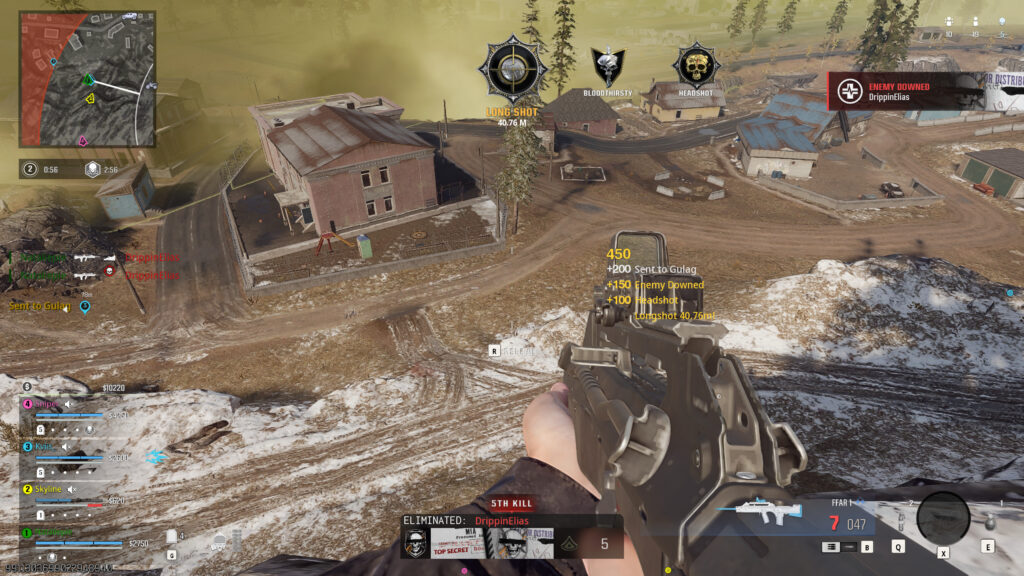
A short list captures the vibe: you want control, you enjoy learning, and you plan to climb across multiple seasons, not just hit one badge. Because of that, the time and money you put into lessons keep paying you back. Even if a new patch shuffles guns or perks, good movement, map sense, and fight selection still win games. That means less future grind and more wins per hour played. If that is your style, coaching is the smarter buy.
FAQs
How fast will a boost finish? Small jumps often wrap in a day or two; bigger climbs can take longer, but you still see the result far quicker than grinding solo.
How many coaching hours show a change? One focused session can spark a shift, but a few weeks of practice lock it in. Most players feel a real bump after two to four solid lessons plus homework.
Can I duo with a coach instead of handing over clips? Yes. Many coaches run live games with you. They call plays on the fly and point out habits right after a fight. It is a good fit if you learn best by doing.
What stats should I watch after lessons? Pick two or three: K/D, win rate, objective time, or damage per life. Track them weekly so you see trend lines, not noise.
Wrap-Up and Next Steps
Boosting gives you the finish line fast. Coaching gives you legs to run future races. Your choice hangs on time, drive to improve, and how you enjoy the game.
Write your main goal, answer the three self-check questions, and pick the lane that fits right now. You can always swap later. If you want help building a practice plan or breaking down clips, say so and I will map one out. If you want copy ideas for other Call of Duty Boosting articles—like legit service checklists, grind tips, or discount roundups—just ask.
Hey there! I’m Susan Sullivan, a gaming journalist with a penchant for discovering hidden virtual realms. Armed with a keyboard and an insatiable curiosity, I dive headfirst into pixelated landscapes, unearthing untold stories and weaving them into vivid narratives that transport readers to uncharted gaming territories. From unearthing forgotten Easter eggs to decoding complex game mechanics, I’m your go-to guide for all things gaming. With a cup of coffee always by my side, I embark on a quest to bring you the latest gaming scoop, unraveling virtual mysteries one pixel at a time. Join me on this epic adventure!
- Latest Posts by Susan Sullivan
-
Incredible Environmental Easter Eggs and Hidden Details You Completely Missed in the Arc Raiders Hub Area
– -
The Absolute Best PC Graphics Settings to Maximize FPS and Reduce Input Lag in Arc Raiders Competitive Play
– -
Buddy Rescue How to Extract Wounded Teammates
– All Posts


Leave a Reply