

Introduction
Call of Duty has come a long way since its first release in 2003, evolving from a WWII shooter to one of the biggest gaming franchises in the world.
Each installment has introduced new features, gameplay mechanics, and settings that have shaped the series into what it is today. The franchise’s ability to adapt to new technologies and player expectations has allowed it to stay relevant for nearly two decades. In this article, we’ll take a look at how Call of Duty has evolved over the years, from its origins in World War II to its modern-day iterations, and explore how each game has contributed to the franchise’s legacy.
The Key Milestones in Call of Duty’s Evolution
| Game | Key Feature | Impact on the Franchise |
|---|---|---|
| Call of Duty (2003) | Set in World War II, with immersive single-player campaigns. | Laid the foundation for the series’ focus on historical settings and cinematic gameplay. |
| Call of Duty 4: Modern Warfare (2007) | Introduced modern settings, multiplayer modes, and customizable loadouts. | Revolutionized online multiplayer and set the standard for future shooters. |
| Call of Duty: Black Ops (2010) | Introduced Cold War settings, Zombies mode, and a more narrative-driven campaign. | Created one of the franchise’s most beloved storylines and established Zombies as a mainstay mode. |
| Call of Duty: Advanced Warfare (2014) | Introduced advanced movement systems, including exosuits for increased verticality and mobility. | Shaped the future of movement mechanics in FPS games, although it was controversial for some players. |
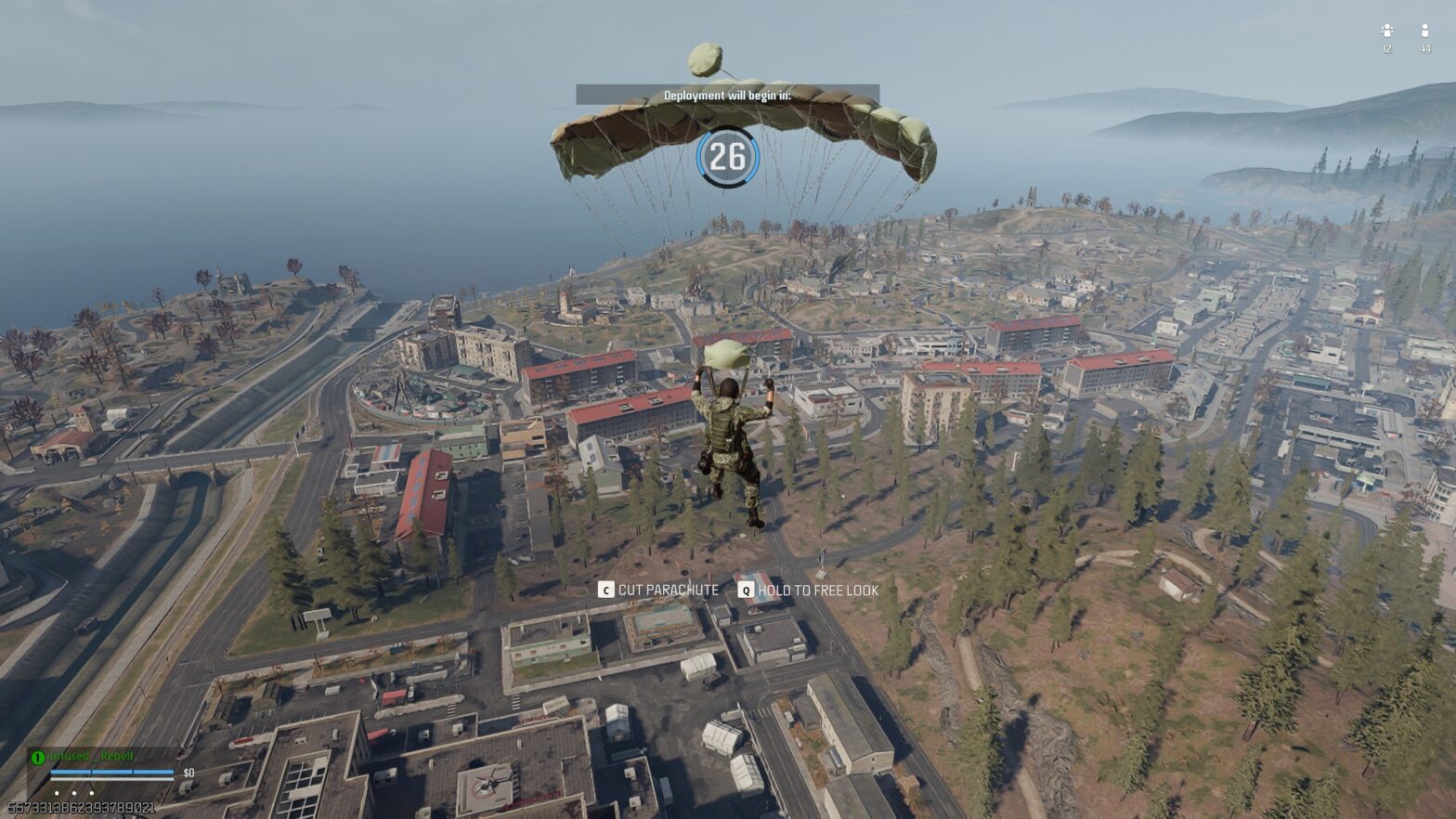
| Call of Duty: Warzone (2020) | Launched the battle royale mode, free-to-play, with cross-platform play. | Expanded the Call of Duty audience and introduced a new, competitive mode that reshaped the multiplayer landscape. |
Why Call of Duty Continues to Evolve
The Call of Duty franchise continues to innovate because it is constantly adapting to the changing landscape of gaming. From historical military shooters to modern warfare and battle royale modes, each entry in the series has introduced new mechanics and features to keep players engaged. Developers pay close attention to player feedback and emerging trends, enabling the franchise to stay ahead of competitors and deliver fresh experiences.

The introduction of new technologies, such as improved graphics, physics, and cross-platform play, ensures the games remain accessible and appealing to a broad audience. Ultimately, Call of Duty’s ongoing evolution is driven by its commitment to balancing familiar gameplay with fresh ideas that keep both new and veteran players excited for each release.
The Impact of Multiplayer Innovations
One of the biggest reasons Call of Duty has maintained its popularity is its focus on multiplayer innovations. Starting with Call of Duty 4: Modern Warfare, the series revolutionized online multiplayer gaming with customizable loadouts, killstreaks, and progression systems that kept players engaged for hundreds of hours.
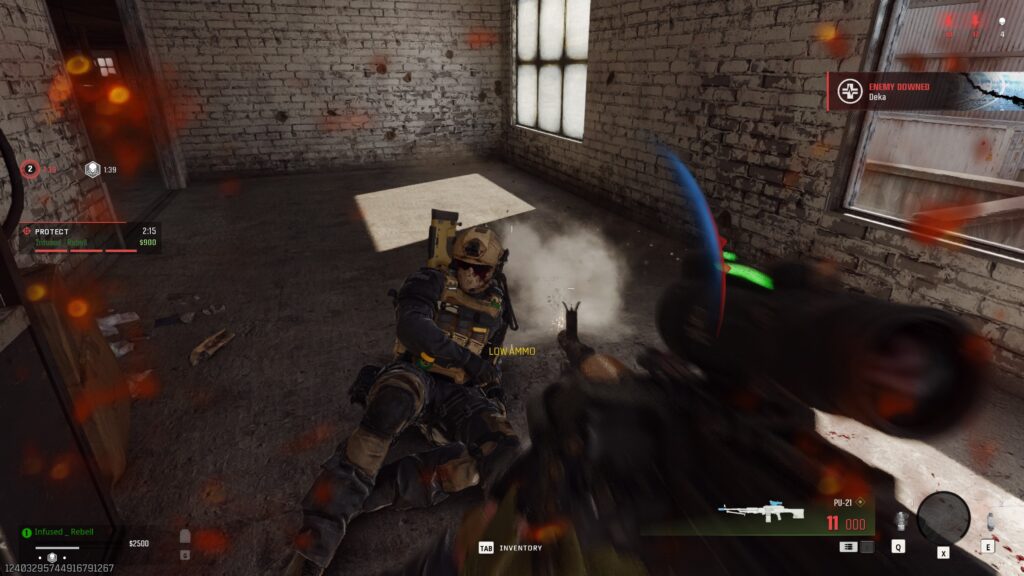
The franchise has consistently added new modes and features such as Zombies, co-op missions, and the expansive Warzone battle royale mode. These innovations have created diverse gameplay experiences that cater to different player preferences. The seamless integration of new multiplayer concepts has kept the series fresh and competitive in an increasingly crowded FPS market, fostering strong online communities and eSports scenes worldwide.
The Role of Storytelling and Campaigns
While multiplayer often takes center stage, the Call of Duty series has also invested heavily in cinematic, story-driven single-player campaigns. These campaigns have evolved from straightforward WWII missions to complex narratives exploring espionage, futuristic warfare, and morally ambiguous conflicts. Games like Black Ops introduced deeper storytelling with memorable characters and plot twists, elevating the single-player experience.

The campaigns provide context and immersion that complement the multiplayer modes, allowing players to engage with the game world on multiple levels. This blend of action-packed gameplay and compelling storytelling has contributed to the franchise’s lasting appeal and helped it reach a broader audience beyond just competitive gamers.
Conclusion
The evolution of Call of Duty is a testament to the franchise’s ability to adapt and innovate. From its origins as a WWII shooter to its modern-day battle royale phenomenon, Call of Duty has shaped the first-person shooter genre and continues to push the boundaries of what’s possible in gaming.
Its consistent focus on multiplayer innovations, storytelling, and player engagement has ensured its place as a cornerstone of the industry. As the franchise continues to evolve, we can expect even more exciting gameplay experiences in the years to come, securing Call of Duty’s legacy as one of the most influential game series in history.
Hey there! I’m Susan Sullivan, a gaming journalist with a penchant for discovering hidden virtual realms. Armed with a keyboard and an insatiable curiosity, I dive headfirst into pixelated landscapes, unearthing untold stories and weaving them into vivid narratives that transport readers to uncharted gaming territories. From unearthing forgotten Easter eggs to decoding complex game mechanics, I’m your go-to guide for all things gaming. With a cup of coffee always by my side, I embark on a quest to bring you the latest gaming scoop, unraveling virtual mysteries one pixel at a time. Join me on this epic adventure!
- Latest Posts by Susan Sullivan
-
Incredible Environmental Easter Eggs and Hidden Details You Completely Missed in the Arc Raiders Hub Area
– -
The Absolute Best PC Graphics Settings to Maximize FPS and Reduce Input Lag in Arc Raiders Competitive Play
– -
Buddy Rescue How to Extract Wounded Teammates
– All Posts


Leave a Reply